
When it’s time to sell, the difference between a quick, profitable transaction and a drawn-out listing often lies in preparation. Enhancing a home’s value doesn’t require a complete overhaul; strategic updates and thoughtful presentation can deliver a strong return on investment. Sellers who prioritize what matters most to buyers tend to see the greatest benefits, both in terms of price and the speed of offers. Whether you’re preparing to list next week or planning a move down the road, understanding which improvements add value is a powerful first step. Focused updates, clean presentation, and market-savvy enhancements can elevate your home’s desirability and command attention in any market.
Boosting Curb Appeal for a Lasting First Impression
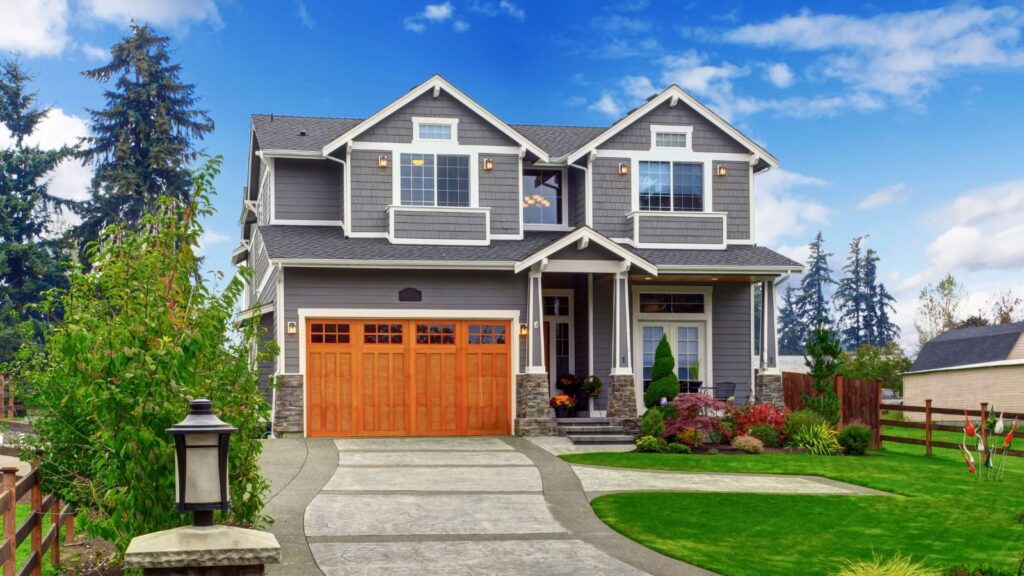
The exterior of a house sets the tone for every showing. Buyers begin forming opinions the moment they arrive, making curb appeal a key area for sellers aiming to increase value. Simple landscaping upgrades—such as fresh mulch, trimmed hedges, and seasonal flowers—can create a polished and welcoming look. Repainting or power washing the exterior, cleaning gutters, and ensuring the roof appears well-maintained offer reassurance about the property’s overall care.
Front doors and entryways have a particularly significant impact. A freshly painted door in a bold, modern color, complemented by new hardware, sets an updated tone before anyone even steps inside. Outdoor lighting adds both safety and ambiance, enhancing nighttime showings and photography. Replacing or repainting the garage door can also offer an impressive return on investment.
Driveway condition and walkway cleanliness are also important considerations. Cracks or stains in concrete suggest deferred maintenance and can subtly lower perceived value. Small touches, such as a new welcome mat, tasteful house numbers, and healthy potted plants, contribute to an inviting and cohesive exterior. In cooler months, clearing snow and de-icing walkways signals preparedness and care.
These visual cues reassure buyers that the home has been well-maintained and is ready for its next chapter. With smart updates and attention to detail, a home’s exterior can deliver a powerful first impression that drives interest and sets the stage for a successful sale.
Refreshing Interior Spaces With Neutral, Modern Appeal
Inside the home, buyers want to see clean, versatile spaces that allow them to imagine their own life unfolding. Neutral paint colors, like warm grays, soft taupes, or creamy whites, brighten rooms and make spaces feel larger. A fresh coat of paint throughout the house offers one of the best returns for its relatively low cost, immediately making the home feel newer and more cohesive.
Flooring condition is another crucial detail. Replacing worn carpet or refinishing hardwood floors can significantly enhance a home’s ambiance and appeal. For budget-conscious sellers, even a deep professional cleaning can make carpeting look fresh. Tile and laminate should be free of cracks or chips, and grout should be scrubbed or re-colored if discolored.
Lighting also plays a major role. Swapping outdated fixtures for simple, modern designs makes rooms feel more contemporary and well-maintained. Maximize natural light wherever possible by cleaning windows, removing heavy drapes, and using light-colored window treatments.
Decluttering is essential. Excess furniture, crowded bookshelves, and personal items can distract buyers and make rooms appear smaller. Aim for open, airy layouts that suggest comfort and flexibility. Storage spaces should be neat and organized, showcasing their full capacity rather than appearing packed and chaotic.
When buyers see updated finishes, fresh colors, and clutter-free spaces, they associate the home with low maintenance and modern living. These changes don’t require major construction or large investments, but they significantly impact buyer impressions and can increase the final sale price.
Updating Kitchens to Add Function and Style
Kitchens have a substantial influence on home value, often making or breaking a buyer’s decision. Sellers don’t need to gut the space to create impact; thoughtful upgrades can bring outdated kitchens up to speed without draining the budget. Focus on visible features that combine functionality with aesthetic appeal.
Cabinetry is a prime candidate for transformation. Rather than replacing cabinets, many sellers achieve excellent results by refacing or painting them. Modern hardware—sleek handles and knobs in matte black, brushed brass, or chrome—immediately updates the space. Soft-close hinges add a subtle touch of luxury that buyers appreciate.
Countertops matter, too. Replacing laminate with quartz or granite offers a significant visual upgrade, and today’s mid-range options can effectively mimic high-end materials at an affordable price. If new counters aren’t feasible, consider professionally resurfacing existing ones. Backsplashes offer another high-impact area; peel-and-stick tiles in on-trend patterns or classic subway styles can transform the kitchen in a weekend.
Appliances should match and be in good working order. Stainless steel or black matte finishes remain popular choices. Energy-efficient models signal forward-thinking ownership and reduce future expenses for the buyer.
Open shelving, under-cabinet lighting, and spacious islands continue to attract interest, though not every home can accommodate these features. Focus on clean surfaces, well-lit areas, and a clear organizational flow. Remove countertop clutter, add a few decorative accents, and make sure storage feels ample and accessible.
Well-executed kitchen updates convey a sense of pride of ownership and significantly impact perceived value. Even modest enhancements can make the space feel current and functional, encouraging buyers to envision themselves cooking, entertaining, and enjoying daily life there.
Elevating Bathrooms With Clean Lines and Comfort
Bathrooms play a critical role in shaping buyer impressions. While full remodels can be costly, targeted improvements create spa-like appeal without the need for major construction. Cleanliness and brightness are non-negotiable, setting the foundation for a space that feels fresh and cared for.
Start with fixtures. Replacing outdated faucets, showerheads, and light fixtures with modern, water-efficient models can completely shift the aesthetic. Brushed nickel, matte black, or chrome finishes offer a timeless and versatile style. Consider updating mirrors with framed versions or minimalist designs that reflect current trends.
Grout and caulking should be clean and in good condition. Mildew-stained lines give the impression of neglect, even in otherwise well-maintained homes. Fresh caulking, new toilet seats, and re-glazed tubs or tiles breathe new life into older bathrooms for minimal cost.
Vanity areas benefit from upgraded lighting and hardware. A new sink or faucet can elevate the overall look, while a fresh coat of paint or a new countertop brings cohesive polish. Even small details—like towel bars, drawer pulls, and coordinated accessories—contribute to a finished, intentional appearance.
Don’t overlook storage. Clear vanity surfaces of personal items and add woven baskets or simple organizers to show off usable space. Fresh white towels, neutral shower curtains, and light-scented candles create a serene ambiance, evoking a sense of calm, clean comfort.
Buyers prioritize bathrooms that feel modern, functional, and easy to maintain. Sellers who invest in thoughtful updates—especially in the primary bath—are likely to see stronger offers and faster sales. These changes tell a story of convenience and quality that resonates with today’s market.
Enhancing Energy Efficiency to Appeal to Modern Buyers
Today’s buyers place increasing value on energy efficiency, driven by both environmental concerns and long-term cost savings. Sellers who highlight a home’s eco-friendly features not only differentiate their property but also tap into a growing segment of market demand.
Start with windows and insulation. If replacing all windows isn’t feasible, ensure that the existing ones are sealed properly and free from drafts. Adding insulation to attics or crawl spaces is a relatively low-cost upgrade that increases comfort and reduces heating and cooling expenses. Weatherstripping doors and sealing gaps help reinforce the message of a well-maintained, energy-conscious home.
HVAC systems should be clean and in good working order. Replacing an aging furnace or AC unit with an energy-efficient model can be a compelling selling point. At a minimum, providing documentation of recent maintenance and service signals care and reliability.
Smart thermostats remain one of the most appealing upgrades. These devices are affordable, easy to install, and highly visible during showings. They convey both tech-savvy convenience and energy awareness. Similarly, energy-efficient lighting—especially LED fixtures—modernizes the home while reducing long-term costs.
Consider highlighting solar panels, tankless water heaters, or energy-efficient appliances if they’re present. Even low-flow toilets and showerheads contribute to the overall impression of a resource-conscious property.
As energy costs rise and sustainability continues to gain traction, homes with clear efficiency advantages stand out. These enhancements make the property more attractive and marketable while also offering tangible benefits that resonate with today’s buyers.
Decluttering and Depersonalizing to Widen Appeal
One of the simplest yet most powerful ways to increase a home’s value is to edit what’s inside. Buyers need space to picture their own lives, and clutter—however meaningful to the homeowner—can be a major distraction. Depersonalizing doesn’t mean stripping the house of character, but rather creating a clean, neutral canvas.
Start by removing personal photos, mementos, and collections. These items, while cherished, can prevent buyers from forming an emotional connection with the space. Aim for a broadly appealing décor: framed artwork, neutral throws, and minimal accessories create a welcoming yet understated environment.
Reduce furniture to showcase the size and layout of each room. Too many pieces can make spaces feel cramped or poorly proportioned. Leave only essential items and arrange them to highlight flow and functionality. This is especially important in small bedrooms, offices, and shared living areas.
Closets and storage areas should be at least half full, but no more than half full. Packed shelves suggest a lack of space, even if the square footage is generous. Organize contents neatly, use matching bins or baskets, and remove anything that doesn’t need to be there. This signals ample, usable storage rather than clutter.
Kitchens and bathrooms benefit from completely clear countertops, save for a few intentional accents, such as a bowl of fresh fruit or a small plant. Clean, empty surfaces create a sense of order, allowing features like counters and backsplashes to shine.
Creating a minimalist, tidy environment allows architectural features and layout to take center stage. With distractions removed, buyers can focus on the home’s potential and imagine it as their own—an emotional shift that often leads to quicker, higher-value offers.
Highlighting Unique Features to Differentiate the Listing
In competitive markets, homes that stand out tend to sell faster and for a higher price. Rather than trying to be everything to everyone, sellers can gain an edge by thoughtfully emphasizing unique features. These details create memorable moments during showings and offer talking points that linger after buyers leave.
A statement fireplace, vaulted ceilings, or original hardwood floors should be the focal point. Ensure they’re in excellent condition, well-lit, and not obstructed by furniture or décor. Accent lighting or thoughtful staging can help spotlight these features.
Architectural nooks, built-in shelving, or bay windows deserve attention. Utilize furnishings to enhance both their charm and functionality. A reading nook becomes more appealing with a cozy chair and soft lighting. Built-ins should be styled simply with books and a few decorative pieces.
Outdoor living areas are increasingly important. A well-arranged patio, deck, or balcony can extend the home’s usable space and encourage visions of entertaining or relaxing. Clean and stage these areas with outdoor furniture, cushions, and plants.
Smart home features, such as app-controlled lighting, doorbell cameras, or integrated sound systems, add a modern appeal. If present, ensure they are functional and easy to demonstrate. Highlight these features in listing descriptions and marketing materials.
Not every home has standout architecture, but nearly every property has something worth celebrating. Whether it’s a large walk-in closet, a sun-drenched breakfast nook, or a beautifully updated mudroom, drawing attention to these elements adds interest and perceived value. Strategic emphasis ensures your home not only blends in but also captures buyer interest in lasting ways.
Conducting Pre-Sale Inspections and Addressing Issues Early
Transparency and preparation go a long way in building buyer confidence. Conducting a pre-sale inspection signals seriousness and minimizes the risk of surprises during escrow. Addressing potential issues before listing allows sellers to control the repair process, timeline, and cost, rather than reacting under pressure after a buyer’s inspection.
A standard pre-inspection can reveal hidden problems, such as roof damage, plumbing leaks, or outdated electrical systems. Even smaller concerns—such as slow drains, missing GFCI outlets, or sticking doors—can impact how buyers perceive the home’s condition. Tackling these in advance smooths the path to a clean report and fewer negotiation headaches.
Sellers should prioritize safety-related repairs and visible defects. Replacing a faulty water heater or correcting foundation cracks communicates responsibility and eliminates red flags. Offering receipts and documentation for completed repairs further reassures buyers of the home’s condition.
In cases where significant issues can’t be addressed due to budget or timing, transparency remains essential. Disclosing known defects and pricing the home accordingly fosters trust and transparency. Buyers appreciate honesty and are often more willing to proceed with a purchase when they feel informed and respected.
Preparing ahead also supports smoother appraisals and faster closings. With fewer contingencies to navigate, deals are less likely to fall through. For sellers, that means greater control over the timeline and better outcomes at the negotiation table.
A proactive approach positions the home as well-cared-for and market-ready. Buyers are more likely to move forward quickly and with confidence when they sense that the groundwork has already been laid.
Ready to Sell with Confidence
The right improvements can make a powerful difference when it’s time to sell your home. From visual enhancements and modern updates to practical upgrades and thoughtful presentation, each step builds value and positions your property for success. When you’re ready to take the next step, please reach out to discuss how to prepare your home for a smooth and rewarding sale.